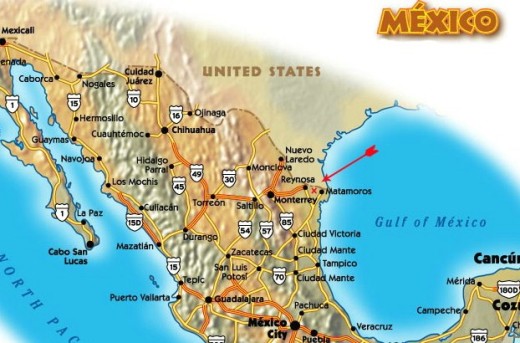
Yes, it is safe in our area and most areas that do medical tourism. There will almost always be alarmists, and websites that claim how unsafe it is, but we have been seeing international patiens for over 25 years without even one problem. Millions of Americans cross the border daily, for travel, for work, etc and never have an issue. Here is a very nice article explaining why Mexico’s doctors are excellent doctors!
In Mexico, doctors may sleep better at night…
Medical Care Concerns
While we cannot speak for the medical services of the entire country, it is safe to seek services in our area and in our hospital. We are a Red Cross hospital – known in all countries for their excellent quality of care.
From the website of México Connect: What is the level of Health Care and Medicine in Mexico?
“Mexico has had its share of the US press exploiting some of the non traditional treatments available “South of the Border”. However despite this image, the facts are that Mexico has an excellent reputation for the quality of its Health Care system. As in every country there are good and bad Physicians and better and worse Hospitals. In general, the Physicians and Surgeons in Mexico are well trained and have good diagnostic and treatment skills. Most have received training in the US, Canada or Europe. The Hospitals (both Private and Public) are usually easily accessible and well equipped. In the major centers such as Mexico City, Monterrey and Guadalajara, the Hospitals often have leading edge equipment and techniques that equal or exceed those available “North of the Border”. Nearly all local towns have medical care available.”
Travel Safety Concerns
Here are some others who say it best – with a fresh and realistic view.
Mexico and the Mean World
Is it Safe or Unsafe for Americans to Visit Mexico?
Mexico Still the Number One Vacation Destination for Americans!
We completely respect the concern many of our pending patients have about staying safe when you travel and we agree that in some areas violence is a problem (especially to the south and west of us) but it is not crime or violence generally aimed at travelers or tourists. We all need to know there are dangers and how to avoid it for our own benefit, but Mexico should be looked at as a whole country rather than the media focus of just specific areas. The areas of concern for tourists are (what’s normally shown/ seen on tv) are appx 16-18 hours away. There are some patches of gangs that attempt to move north into the smaller towns but we also have the military who shut them down rather quickly. Rio Bravo is a safe and thriving community with exceptional people and safe/secure medical services. We do encourage our patients who travel to always be cautious no matter where you travel and heed the warnings that are there for your benefit – but the truth is that 15 million Americans cross the border here every year, and more than a million cross on a daily basis and never have a single problem. They work here, shop here, vacation here, and continue to recommend that others do the same. So while we don’t want to downplay the fact that in some areas there is violence to be concerned about – it is still very safe to travel to Mexico in the vast majority of areas including Rio Bravo.
The one safety precaution we strongly recommend – use the shuttle. The driving here can be hazardous if you are not used to it, and the number 1 cause of death (in any country) for foreign travelers is traffic related deaths. We will not hesitate to tell our patients if and when there is a need to worry about traveling here. Our greatest concern – in and out of surgery — is patient safety. Whatever affects our patients affects us. Please consider joining the forum, and speaking with other patients about their personal experiences. It’s the best source of information you can find.
“Should you be concerned about the violence? Of course you should and you should use precautions to make sure you do not present yourself as an opportunity for a crime to happen – know where you are going, stick to your itinerary, do not travel on the roads alone or at night, stick to major highways, do not flash large sums of money around, always let someone know where you are. These are the rules that apply to any tourist going to any foreign nation. Mexico is no different. If you ‘do the math’ and look at the facts you will see that you are in no more danger of being killed on your trip to Mexico than you are being killed in a robbery at your local bank or gas station (both of which could happen on any given day).
– 15 million Americans visit Mexico every year
– 1 million Americans cross the border in a day
– approximately 1 million Americans live in Mexico
– in the deadliest city in Mexico (Juarez) only 39 US citizens were reported killed in 1 year (the most ever at one time) – of those….
– while it is almost impossible to find a good number anywhere (because it is a very small number) it is roughly estimated that at most 200 US citizens may die in the whole of Mexico in a year and 98% of those were involved in the drug trade. The other 2% were bystanders/ traffic related or other some other kind of accident.
If the media only reported the daily crime and every single incident from any one state – like New York, California, or Florida – you would have mass panic throughout the world, Wall Street would crumble and people from every nation would be avoiding Disneyland like it was a death camp. So be aware, be cautious, do your research and talk to people who actually travel to Mexico before you make your decision. It is not as a rule unsafe at all. God is still God and very much in control even in Mexico – and He will not take you to it unless He sees you through it.” (Keith J – frequent traveler).